
The education enabler
Partner with the education enabler.
Schools, companies, course partners, local partners and learning venues work with Eduspine to bring great educators and personal learning to their people and their places. We connect them all through one method, one educator standard and shared technology, across 20+ countries.
- Indonesia
- Singapore
- Malaysia
- Philippines
- Thailand
- India
- United Arab Emirates
- Saudi Arabia
- Qatar
- Egypt
- Kenya
- and more, 20+ countries in all
One partner network across 20+ countries.
Educators at the heart
Every partnership begins and ends with an educator in front of a learner. Choose a participant on the map to see what we enable for them.
- Countries
- 20+
- Partner organisations
- 270+
- Schools and learning institutions
- 110+
- Corporate training clients
- 30+
- Course and content partners
- 50+
- Learning venues
- 60+
Countries, where the network operates; partner organisations, schools and learning institutions, corporate training clients, course and content partners and learning venues, working with the network. Figures as of 17 October 2026.
One system behind every partnership
Every partner plugs into the same core.
A network is only as good as its weakest class, so our centre is built to keep every class on the same standard. Five parts work as one: a method, 480+ programmes across 12 fields of study, an educator standard, shared technology, and a brand and quality system.
Choose a partner type to see what it draws on.
One core, five partner types
Every partner connects to the same core: the method, the curriculum, the educator standard, the shared technology and the brand and quality system. Each kind of partner draws on the parts it needs, and educators carry all of it into the lesson.
- 01
The method
Every learner starts with an assessment and a personal learning plan, meets an educator chosen for how they learn, and is measured as they grow. The same six steps run in a living room, a classroom, an office and a coworking room.
- A placement test that recommends a starting level
- A learning plan built around goals agreed with each learner
- Progress recorded after every session and summarised each month
- 02
The curriculum
Our curriculum team writes the programmes and keeps them current, from school subjects and world languages to professional skills and the future skills a working life now asks for.
- Programmes for school, university entry, languages and professional skills
- Future skills, including artificial intelligence, Python, data science and robotics
- Mastery checkpoints that tell an educator when a learner is ready to move on
- 03
The educator standard
Educators are the heart of every partnership. We recruit, assess and develop them to one teaching standard, and we treat them as the professionals who own the judgment, the relationship and the outcome of every lesson.
- Layered selection and onboarding before an educator meets a learner
- A library of in-product guides for the craft of teaching
- Learner feedback that reaches the educator in a form they can act on
- 04
The shared technology
The systems our network runs on carry the preparation, records and reports around each lesson, so educators can give the lesson itself their full attention. The same records serve schools, companies and local operations, and we extend this technology across the network step by step.
- Matching across ten factors, including subject fit, schedule, distance and track record
- A learning brief written for the educator before the first lesson
- Learning goals that update from real session notes
- Monthly progress reports drafted by our systems behind a quality gate, with our education team accountable for each one
- Session confirmation and continuity signals that help a team step in early
- An educator platform in seven interface languages
- 05
The brand and quality system
A learner should recognise the same quality wherever they learn. Every partner works within one brand standard and one review cycle, and what one partner learns reaches every other.
- Brand standards and assets for every place a learner meets the network
- Quality reviews against one standard
- A direct line to the centre for curriculum, quality and technology support
The method
Six steps, wherever the lesson takes place.
A learner in a school, an employee in a training programme and a learner at home all move through the same six steps. Our partners bring the place and the people, and the method keeps personal learning in the same shape everywhere it happens.
Assess
Every learner begins with a placement and a conversation about goals, so teaching starts from where they truly are.
Plan
We build a personal learning plan around agreed goals, with mastery checkpoints along the way.
Match
We choose the educator through matching that weighs ten factors, from subject fit and schedule to track record.
Teach
The educator leads every lesson with guided questions and productive struggle, and moves on once the learner has mastered the step.
Measure
Progress is recorded after every session and brought together in a report each month.
Adjust
Learning goals update from real session notes, so the plan moves as the learner moves.
For school leaders, university departments and academic coordinators
110+Schools and learning institutions
Schools and learning institutions, working with the network. Figures as of 17 October 2026.
Schools and universities
A school knows its learners better than anyone. We bring educators, programmes and our six-step method into its classrooms and its timetable, so enrichment, exam preparation, languages and future skills are taught to one standard, with progress the school can follow.

- They bring
- Learners, classrooms and a place in the academic year.
- We enable
- Educators, programmes and the method, with progress the school can follow.
What we enable
- Educators selected and developed to our teaching standard, matched to your learners and their level
- Programmes for enrichment, exam preparation, world languages and future skills such as AI, coding and robotics
- A starting assessment and a personal learning plan for every learner who joins
- Progress records the school can read beside its own
What you bring
- Your learners, and the goals you hold for them
- Classrooms and a place in your academic calendar
- A coordinator who owns the partnership on your side
- The trust you have built with learners over many years
How it usually starts
- Tell us about your schoolThe learners, year levels and programmes you have in mind, and the rhythm of your academic year.
- Shape the programme togetherWe agree the subjects, the schedule, the educators and how progress is shared with the school.
- First classesEach learner starts with an assessment and a plan, and the school follows their progress from the first session.
For people leaders, learning and development teams and founders
30+Corporate training clients
Corporate training clients, working with the network. Figures as of 17 October 2026.
Corporate training for companies
Skills at work keep moving, and every person on a team starts from a different place. We train your people with the method our network teaches every learner: an assessment of where each person begins, a plan tied to the skills your company needs, an educator matched to them, and progress measured along the way.

- They bring
- Teams, skills goals and time in the working week.
- We enable
- Training built on the method, with every person assessed, planned for and measured.
What we enable
- Languages, professional skills and future skills, including artificial intelligence, Python and data science fundamentals
- A starting assessment for each person, and a plan built around the goals your company sets
- Educators matched to each person, their level and their working hours
- Progress records your company can follow, person by person
What you bring
- Your teams, and the skills you want them to build
- A sponsor who owns the programme inside the company
- Time in the working week, and a room at work or a learning venue nearby
How it usually starts
- Share your goalsThe teams involved, the skills they need and the timeline you are working to.
- Design the programmeWe set the assessments, the programme mix, the educators and how progress is reported to your sponsor.
- Start learningEach person begins with an assessment and a plan, and your sponsor follows progress month by month.
For course creators, publishers, examination specialists and subject experts
50+Course and content partners
Course and content partners, working with the network. Figures as of 17 October 2026.
Course and content partners
Great material deserves great teaching. Course and content partners bring programmes, materials and expertise that widen what our network teaches, and we bring the educators, the learners and a method that turns good content into lessons people remember.

- They bring
- Programmes, materials and subject expertise.
- We enable
- Educators and learners to teach it to, and one standard to teach it with.
What we enable
- A network of educators and learners across 20+ countries for your programmes
- A curriculum team that reviews, adapts and places your material where it serves learners best
- A teaching method and a quality standard your content is taught with, class after class
- Feedback from real classes that use what you build
What you bring
- Programmes, materials or tools of proven quality in a field we teach, or one we plan to
- Design that asks the learner to think, grounded in learning science
- Clear rights to the work, and the will to refine it with our educators
How it usually starts
- Send a short proposalWhat your material covers, the field it serves and the learners it was made for.
- Curriculum reviewOur curriculum team reads every proposal and maps it against the programmes the network teaches.
- Teach it with our educatorsYour material meets real classes, and what our educators learn shapes the next version.
For education entrepreneurs and operators who know their community
110+Local operations
Local operations, running in the network. Figures as of 17 October 2026.
Local partners and operators
Local partners know their community, its languages and the learners it serves. We bring the whole system the centre has built across 20+ countries, and our local partners run an operation that teaches to the same standard as every other in the network.

- They bring
- Knowledge of the community, a local team and the learners it serves.
- We enable
- All five parts of the system, to run a local operation to one standard.
What we enable
- The six-step method, from the first assessment to the monthly progress report
- Our curriculum, written and kept current by our curriculum team
- The educator standard: how we recruit, assess, develop and review the people who teach
- The shared technology our network runs on, extended to each operation that joins, step by step
- The brand and quality system, with one review cycle for every operation
What you bring
- Deep knowledge of education in your community, and of the learners it serves
- The capacity to build and lead a local team of coordinators and educators
- A commitment to run the method and hold every class to the standard
- A long view of the partnership, measured in years
How it usually starts
- Introduce yourselfWhere you are, your background in education or operations, and how you picture personal learning growing there.
- First conversationsOur partnerships team learns about you and your community, and together we decide whether the fit is right.
- Launch with the centreOur curriculum, educator quality and technology teams work beside you as the first learners start with an assessment and a plan.
For coworking spaces, learning spaces and venue providers
60+Learning venues
Learning venues, working with the network. Figures as of 17 October 2026.
Learning venues
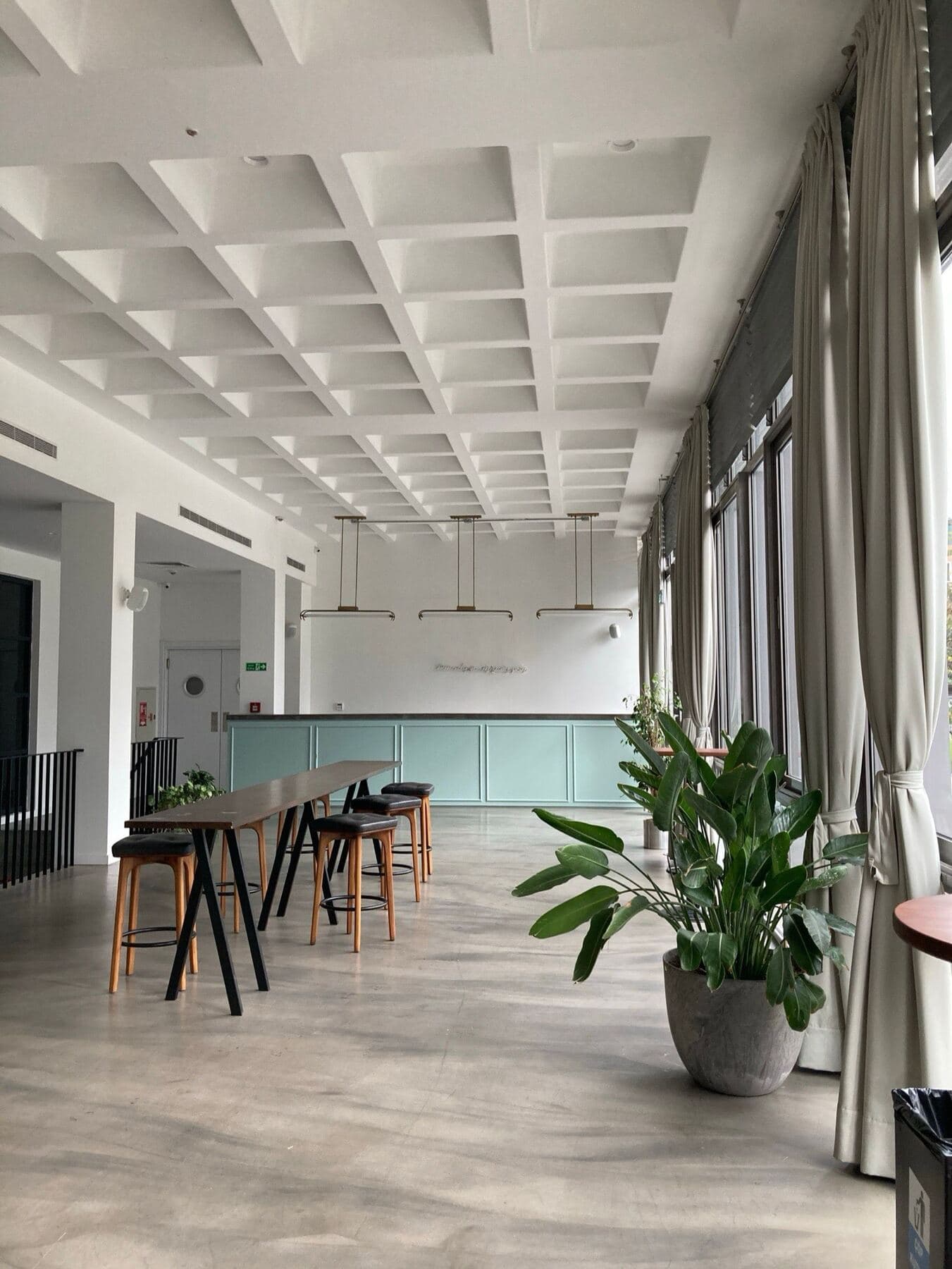
Good learning needs a good room. Coworking spaces, study spaces and venue providers host classes from our network, and their rooms fill with educators and learners who come to learn, close to where those learners live and work.
- They bring
- Rooms, hours and a welcoming place near learners.
- We enable
- Classes, prepared educators and a steady community of learners.
What we enable
- Regular classes at hours that suit your space
- Educators trained to our standard, who arrive prepared for every class
- Programmes that bring a steady, positive community of learners into your space
- A named team at the centre for curriculum, quality and technology questions
What you bring
- Rooms, desks and quiet corners for one-to-one and small classes
- Opening hours when learners are free, after school and after work
- A welcoming front desk, close to where learners live and work
How it usually starts
- Tell us about your spaceWhere it is, the rooms and hours you can offer, and the kind of learners you would like to host.
- Agree how it worksTogether we set the rooms, the hours and the house rules, and how classes are booked into your space.
- Host the first classesEducators and learners from the network begin learning in your rooms.
From first message to first learner
How a partnership starts.
- 01
Introduce yourself
Write to us through the contact page and choose your kind of partnership, with the details listed for it.
- 02
First conversation
Our partnerships team replies by email and sets up a first conversation to learn about you and what you want to build.
- 03
Plan together
We agree the scope, the standards, the responsibilities on each side and the parts of the system you draw on.
- 04
Begin
The first learners start with an assessment and a plan, and our teams at the centre work beside you from the first class.
The partnership path
Four stages carry a partnership from an email to running classes.
Every partnership travels the same path, whether the partner is a university faculty, a company training its staff or a local operator. Each stage closes with agreement, so the work that follows rests on a clear understanding of who does what.
- 01
An enquiry reaches the partnerships team
A partner writes to partners@eduspine.com or fills in the partner enquiry form, describing the organisation and its learners. That message lands directly with our partnerships team, and they write back to set up an opening conversation with the people who will own the work.
- 02
Goals understood, scope and standard agreed
We listen first: who the learners are, what they need to reach and what has held them back before. From there we settle the programmes, their depth on our Foundation to Professional scale, where lessons will happen and the network standard, which includes replacing an educator at no extra cost whenever a match falls short.
- 03
Educators are matched and briefed
Matching weighs ten factors for every learner, among them subject match, schedule, distance and the educator's track record. Before the first lesson, each educator is given a learning brief drawn from the details shared at enrolment, so they walk in already knowing the learner's goals and starting point.
- 04
Classes run on a monthly rhythm
Once lessons begin, the educator logs progress at the end of each session, and the notes feed a monthly report. The partner settles into a steady rhythm of reading those reports, raising questions with its team and adjusting goals as learners pass each mastery checkpoint.
Preparing on each side
Each kind of partner prepares something before learning begins.
A partnership works best when both sides arrive ready. A school timetable, a corporate plan and a coworking floor each call for different preparation, while the network brings the same foundations everywhere: the method, a central curriculum, matched educators and shared technology.
Schools and universities
An institution decides which learners will take part, the subjects or future skills it wants and where classes sit in its academic year. We bring matched educators, a placement for each learner and an individual plan pitched at the right depth.
Companies
A company names the skills its people need and appoints an internal sponsor to carry the programme. We assess each employee, plan around those skills and match educators to working hours, so the sponsor can follow progress person by person, month by month.
Course and content partners
Each content partner gets its material ready, defines the subject area it covers and confirms the rights to teach with it. Our curriculum team reviews it against our programmes, places it on the depth scale and shares back what educators observe once the material meets real lessons.
Learning venues
A coworking space or learning space sets out the rooms and hours it can offer and any house rules for learners. In return we send educators briefed for every lesson, and learners gain a place to study close to where they live or work.
Local operators
A prospective operator brings knowledge of its community and a plan for building a local team. From us comes the complete system: method, curriculum, educator standard, verification documents tailored to the country, shared technology and a quality review that keeps the operation on standard.
Seeing the progress
Partners see every learner's progress, and learner data is handled with care.
A partner should always know how its learners are doing. Progress shows up in the notes kept after every lesson and in reports written for the people who read them, and the information behind those reports is treated as seriously as the teaching.
Notes written as each session closes
When a session ends, the educator notes what was covered, what the learner mastered and what comes next. Those notes keep the learning goals current, so the plan a partner sees reflects the learner as they are today.
Monthly reports with accountable authors
Each month the notes become a report adapted to its reader, whether a school coordinator, a learning sponsor or an adult learner, with a pacing diagnosis for every learner. Every report clears a quality review before it goes out, and our education team answers for what it says.
Learner data kept with care
We collect the information teaching requires and keep it for that purpose. The documents used to verify educators differ by country, anything sensitive sits in encrypted storage, and learner feedback reaches each educator rewritten into practical points to carry into the following lesson.
What every partnership keeps
A few principles hold steady in every partnership.
Partnerships differ in size, setting and purpose, and we welcome that range. Underneath it sits a small, deliberate set of commitments that never moves, so a lesson in one country is recognisably the same quality as a lesson anywhere else in the network.
One standard everywhere
Our six steps, our educator standard and our quality review apply wherever we teach, in any country and any setting. A lesson in a living room and a lesson in a university seminar room are prepared, taught and recorded alike.
The learner first, the educator at the heart
Every plan is written around the learner, of any age, whoever arranges the partnership. Inside each lesson, educators hold the professional judgment and the bond with the learner, while our systems carry the preparation and records so they can give the learner full attention.
Honest reporting, private names
Reports describe progress as it is, including the stages where a learner needs more time. Partner names stay off our site: our published figures describe the scale of the network, and each partner chooses how it speaks about the relationship.
Questions partners ask
Answers to the questions partners raise in a first conversation.
These questions come up most often when an organisation first writes to us about working together. If your own question is missing here, send it to partners@eduspine.com and a member of our partnerships team will answer it in writing.
- Can we receive your company details?
- Yes. Company details are shared in writing with any reviewer who asks. Write to partners@eduspine.com, list the details your review needs, and our partnerships team sends them to you directly, so the people carrying out your review receive current information addressed to them by name.
- Must we be in a listed country?
- The network operates in 20+ countries across Asia, the Middle East and Africa, and classes begin most readily there. Organisations elsewhere are welcome to write, and our partnerships team will discuss what a partnership would need in their location.
- Can a partnership start small?
- Yes. Many partnerships open with one programme, a handful of learners or a single venue, and grow once both sides have read the monthly reports. A modest beginning is held to the full standard of a large one, so a partner judges the method fairly.
- Who do we work with day to day?
- A partner works day to day with the local operation that arranges lessons in its country, supported by the centre's curriculum, quality and technology teams. Educators lead the teaching, and the partnerships team remains the contact for scope and any change to it.
- What if an educator is the wrong match?
- We bring in a different educator, and the partner and the learner pay nothing extra for the change, in any country. Matching runs again across the same ten factors, informed by what the first match revealed, and the new educator receives an updated learning brief before the next lesson.
Great teachers, amplified.Learning, enabled everywhere.
Choose your kind of partnership and tell us what you want to build. Your message reaches our partnerships team, and we reply by email to set up a first conversation.