
01
Learning is personal
Every learner arrives with their own starting point, pace and goal. So every learner begins with an assessment and a plan built around agreed goals, and the plan moves as the learner moves.
20+ Countries72,000+ Educators· as of Oct 2026
20+ Countries72,000+ Educators110+ Local operations· as of 17 October 2026
Apply to teachAbout Eduspine · The education enabler
We are the education enabler that brings educators, learners, schools, companies and learning spaces together.
Eduspine is a global network in more than 20 countries. We connect educators with learners, schools, companies, course partners, local partners and the venues where learning happens, through one method, one educator standard and shared technology built on learning science. Educators stay at the heart of everything we enable.
Our vision
A world where every learner is known by a great teacher, and every teacher is amplified by technology that understands how people learn.
Countries, where the network operates; educators, registered with the network; learners taught and personal classes delivered, cumulative across the network. Figures as of 17 October 2026.
Our role
Eduspine is the education enabler: a global network that connects educators, learners, schools, companies and learning spaces through one standard and shared technology. Each of them does what it does best, and every learner receives the same quality wherever they learn.
Eduspine is the global education network at eduspine.com, operating since 2013 and headquartered in Singapore. Every partnership we build begins and ends with an educator in front of a learner.
A learner matched to how they teach, a brief before the first lesson, a curriculum ready to teach and a pathway to grow.
Personal learning led by the right educator, measured as they grow, at home, online, at school, at work or nearby.
Educators, programmes and the method brought into their own classrooms, with progress the school can see.
Training for their people built on the same method: a starting point, a plan, the right educator and measured progress.
Educators and learners for their programmes, and a teaching method and quality standard to teach them with.
The method, the curriculum, the educator standard and the shared technology to run an operation that teaches to one standard.
Classes and a community of learners that come to their space, close to where people live and work.
What we believe
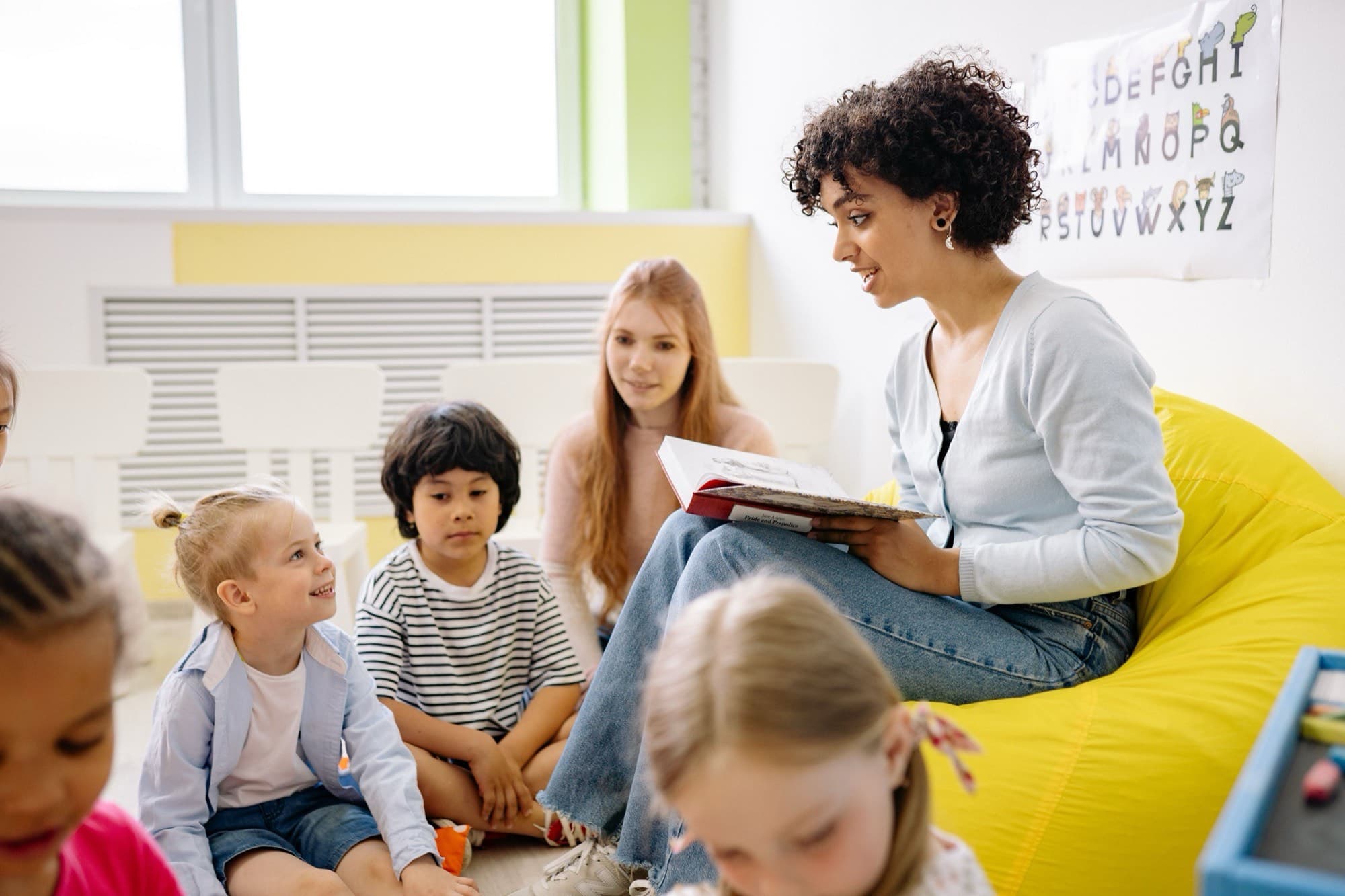
Every learner arrives with their own starting point, pace and goal. So every learner begins with an assessment and a plan built around agreed goals, and the plan moves as the learner moves.
Judgment, trust and the relationship between an educator and a learner are what make learning last. We develop educators to one standard and treat them as professionals who own the lesson and its outcome.
Our systems prepare the educator before the first class, keep the learning plan current and draft the reports that follow, so the educator can give the lesson itself their full attention. Our education team stays accountable for what a learner or family receives.
We take up a tool when the evidence says it deepens learning. Our pedagogy favours mastery before moving on, productive struggle and guided questions, and our educators decide when a learner gets a hint.
A learner deserves the same care in every country and in every place we teach: a home, a classroom, an office or a coworking room. One curriculum, one educator standard and shared technology give every partner the same firm ground.
People learn at home, online, at school, at work and in the spaces around them. We work with the schools, companies, course partners and venues that already hold a community, and bring great educators to them.
Our point of view on the future of education
The world is being asked to learn more at the very moment many school systems are struggling to hold their ground. PISA 2025 (OECD, 2026) (opens the source, OECD 2026) finds reading and maths outcomes stagnating or declining in many countries, while the skills every career depends on keep shifting.
The evidence on what works has grown unusually clear. Personal teaching by a trained educator is among the most reliably effective things education has ever tested, and artificial intelligence helps learning most when it is built on pedagogy and guided by a teacher.
So we are building for a future where every learner is assessed, planned for, matched to the right educator and measured as they grow, and where our systems carry the work around each lesson so that educators can give the lesson itself everything they have. The teacher stays at the centre, and we build everything else to amplify them.
The parts great learning stands on are costly for any single classroom to build alone. So we build the parts that gain from scale once, at the centre, and share them with every partner: the method, the curriculum, the educator standard and the technology. That is how an education enabler keeps quality steady as learning reaches more people and more places, from a family home to a school, an office or a coworking room.
The OECD on AI and learning
If we get this right, AI becomes “a scaffold” and “a tool for thinking”, and education remains “a human endeavour, powered by judgment, relationships and trust.”
Teachers and AI, in the OECD’s framing
Replacement
AI takes over some tasks
Complementarity
Human judgment paired with machine efficiency
Augmentation
Teachers and AI work in tandem
The OECD names augmentation as “the most effective approach”: “teachers and AI work in tandem, critiquing and refining each other’s outputs.”
Our story · operating since 2013
Local operations teach the classes and look after the learners of their own communities. Partners open their classrooms, workplaces and spaces to the network. We give all of them what a great class stands on: the curriculum, the educators, the standard and the technology.
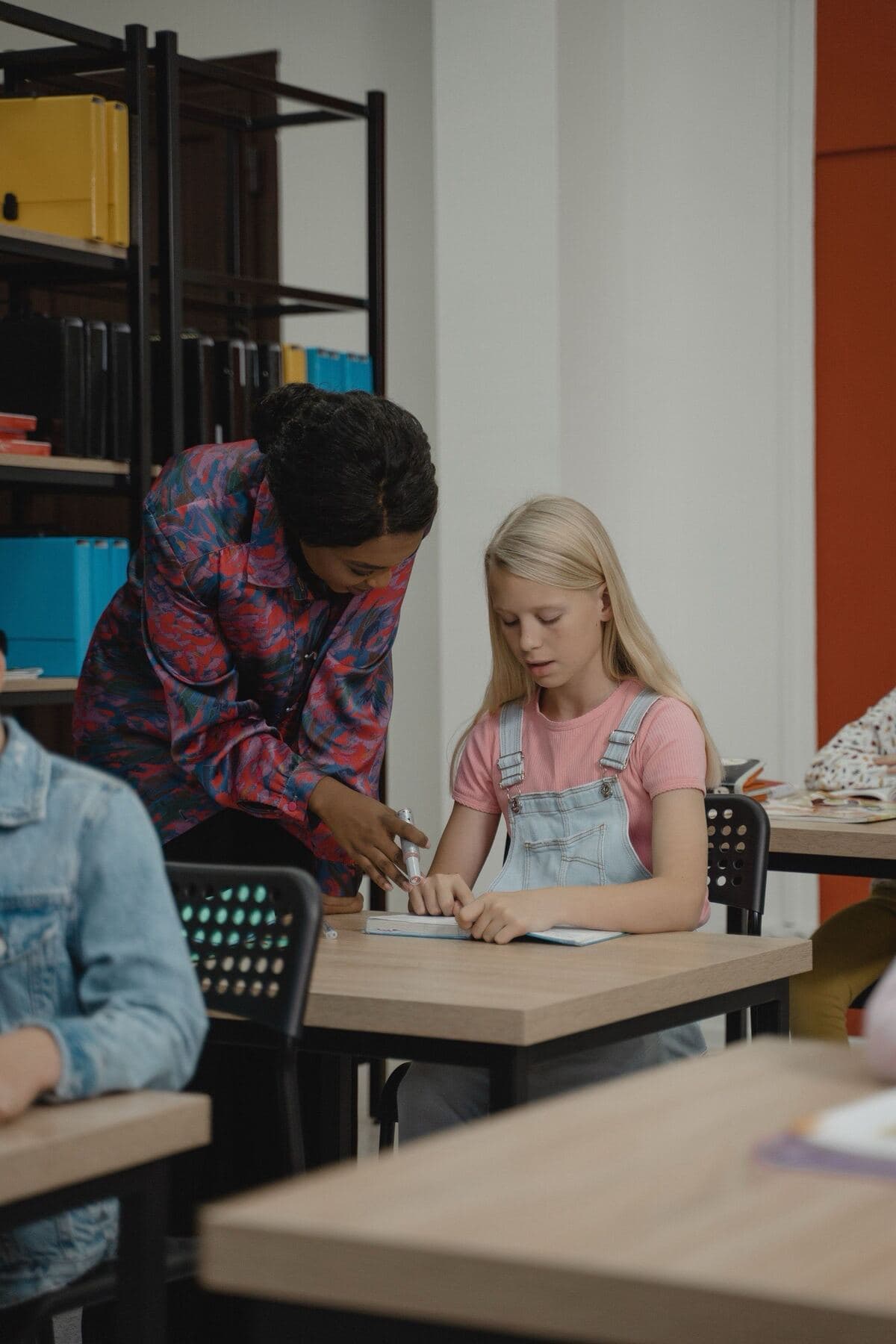
2013
Our local operations each knew their learners well, and each needed the same foundations: a curriculum worth teaching, educators prepared to teach it, and a clear standard every class had to meet. Eduspine was built to be that centre.
Then
We turned good teaching into a shared method. Every learner is assessed, given a plan built around agreed goals, matched to the right educator, taught, measured and adjusted, and every operation follows the same sequence.
As it grew
As the network grew, we built our own systems to carry the work around each lesson: matching that weighs ten factors from subject fit to track record, a brief for the educator before the first class, and monthly progress reports held to a quality gate.
With partners
Schools, companies, course partners and learning venues began to work with the network. Our educators and our method went into classrooms, workplaces, coworking spaces and study rooms, and every one of those places kept the same standard.
Today
Today, from our headquarters in Singapore, we support 110+ local operations across 20+ countries, and a growing circle of partners around them. Everyone teaches from the same curriculum and holds the same standard, and we are extending our shared systems across the network.
Our standards
Our curriculum team designs each programme from its learning goals, sets the sequence of lessons and places mastery checkpoints along the way, so a learner moves on once the ground is firm. Today that work spans 480+ programmes across 12 fields of study, including future skills such as AI, coding and data.
480+
Programmes
Every educator joins through layered selection and one onboarding path to a single teaching standard before they meet a learner. From there our systems brief them before the first class, keep each learning plan current and turn learner feedback into guidance they can act on.
72,000+
Educators
The way a class is assessed, planned, taught and followed up is defined once at the centre and applied by all 110+ local operations across our 20+ countries, and by every partner we teach with, in a home, a classroom, an office or a learning venue. Progress is recorded after every session and summarised each month in a report our education team stands behind.
20+
Countries
Programmes, in the published catalogue; educators, registered with the network; countries, where the network operates. Figures as of 17 October 2026.
Educators, institutions, companies, course partners, local partners and venues each have a door. Here is where each one opens.
Get to know us
Work with us